



Inflammation gets talked about a lot, especially in the health and fitness world, but not all inflammation is the same. Some inflammation is global, affecting your whole body and how you feel day to day. Other inflammation is local, showing up in a specific muscle or joint after stress, overload, or injury.
Understanding the difference is key to improving recovery, reducing pain, and keeping your training (and your life) moving forward.
At Conquer Movement, we help active adults and athletes navigate both forms of inflammation so they can stay strong, resilient, and pain-free. Keep reading to learn what’s actually happening behind the scenes inside your body.
Systemic Inflammation: When Your Whole Body Is in “Alert Mode”
Systemic inflammation is a body-wide immune response, your entire system is constantly on high alert. Instead of inflammation being isolated to one area (like a sprained ankle), your body releases inflammatory molecules called cytokines into the bloodstream. These circulate everywhere and influence how you feel physically, mentally, and metabolically.
What triggers systemic inflammation?
You might feel like you’re doing a lot “right,” yet still feel run down or inflamed. That’s because systemic inflammation accumulates from many small daily stressors, including:
- Poor sleep or irregular sleep patterns
- High stress and elevated cortisol
- Processed foods, inflammatory oils, and excess sugar
- Alcohol intake
- Sedentary days
- Chronic illnesses or autoimmune flares
- Overtraining without appropriate recovery
- Gut irritation or poor digestion
- Blood sugar instability
How systemic inflammation manifests within the body
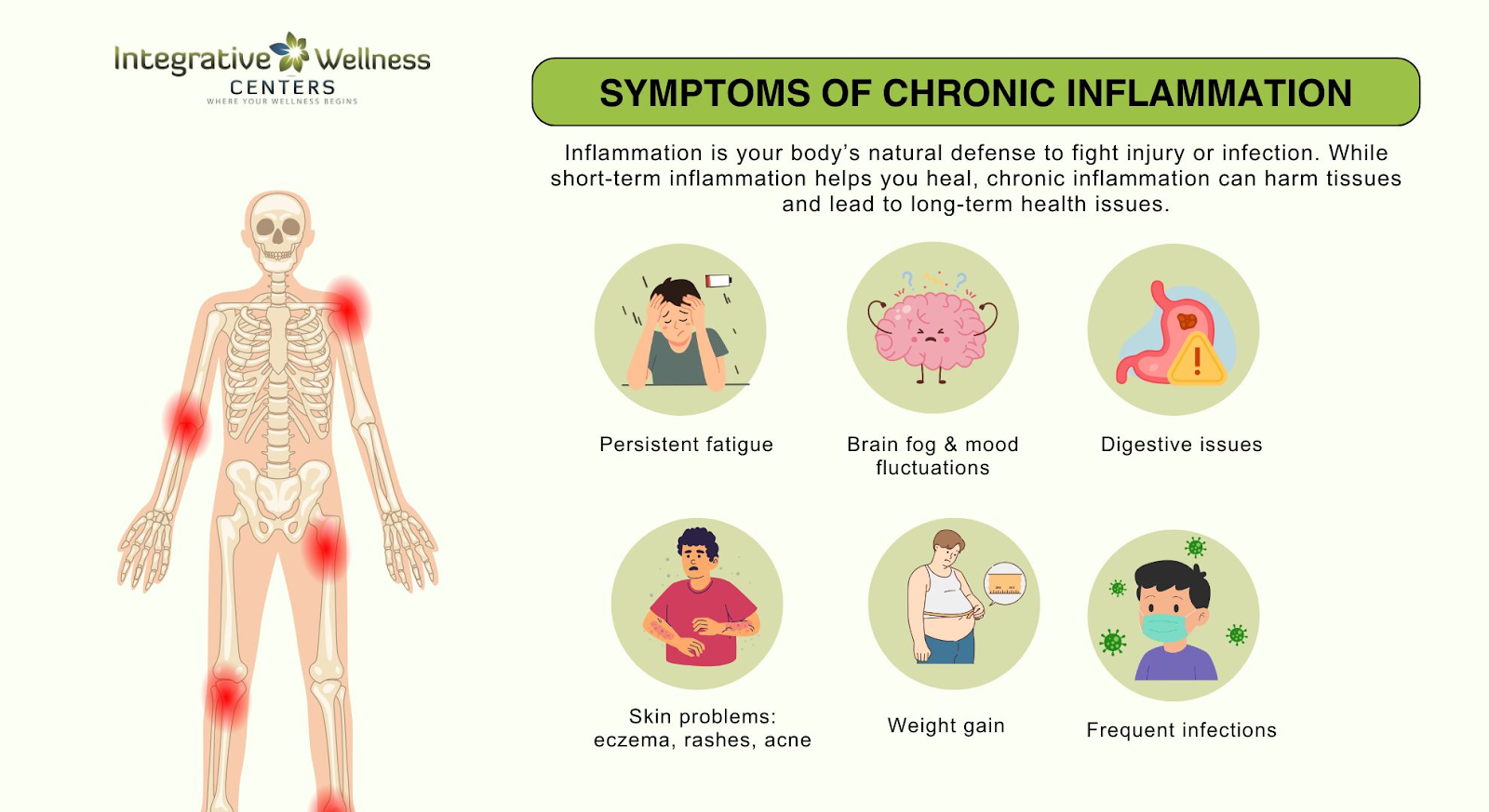
Systemic inflammation tends to be subtle at first but can affect almost every system in the body, often causing:
- Low energy or afternoon crashes
- Brain fog or difficulty concentrating
- Stiff, achy joints
- Slower recovery from workouts
- Increased soreness or lingering fatigue
- Headaches
- Bloating or digestive changes
- Difficulty losing body fat
- Mood fluctuations or irritability
When this low-grade inflammation builds over time, it can impair hormone regulation, stress resilience, metabolic health, and pain tolerance, making smaller injuries feel bigger and slowing your body’s ability to repair local tissue irritation.
Local Inflammation: What’s Happening Inside a Specific Muscle or Joint
Local inflammation is your body’s targeted repair response. If you strain your back lifting too heavy, irritate a shoulder in the gym or overload a tendon, your body sends inflammatory cells directly to that spot.
The pH & Acidity of an Inflamed Muscle
Inside that irritated muscle, local blood flow changes, fluid builds up, and the pH drops, creating a more acidic environment.
This increase in acidity:
- Sensitizes nerves
- Makes the tissue feel “tight,” “hot,” or “angry”
- Decreases oxygen delivery and efficiency
- Slows healing if it lingers
- Reduces force output and coordination
Short-term, this is helpful. Long-term, it becomes a barrier to healing and optimal movement. That’s where physical therapy and dry needling can dramatically help.
How Physical Therapy Helps Local Inflammation Heal Faster
Dry Needling: Resetting the Muscle’s Environment
Dry needling is one of the most effective ways to restore normal pH, reduce local acidity, and interrupt the pain cycle.

It works by:
- Increasing blood flow to the irritated area
- Flushing inflammatory byproducts
- Reducing nociceptive (pain) sensitivity
- Releasing tight muscle bands
- Stimulating healing cells
Clients often feel improved mobility and decreased irritability within minutes.
Manual Therapy & Tissue Work
Hands-on treatment supports lymphatic drainage, improves circulation, and calms the nervous system, helping inflamed tissues heal faster. This may include joint mobilization, soft tissue therapy and cupping, which provides decompression to the area.
Corrective Exercise & Load Progression
Movement is essential for healing. Targeted exercise:
- Restores healthy movement patterns
- Reduces compensations
- Improves tissue tolerance
- Prevents recurring irritation
How to Reduce Systemic Inflammation During the Holiday Season
The holiday season often means more sugar, alcohol, stress, travel, and disrupted routines. However, small, intentional habits can make a huge difference.
1. Build meals around protein and healthy fats
Protein helps stabilize blood sugar and repair tissue and healthy fats actually play a huge role in reducing systemic inflammation and improving satiety. Healthy fats help to keep blood sugar stable, slow digestion (helping you feel full longer), support hormone balance, improve brain and nervous system function and reduce inflammatory markers.
Great sources of healthy fats include:
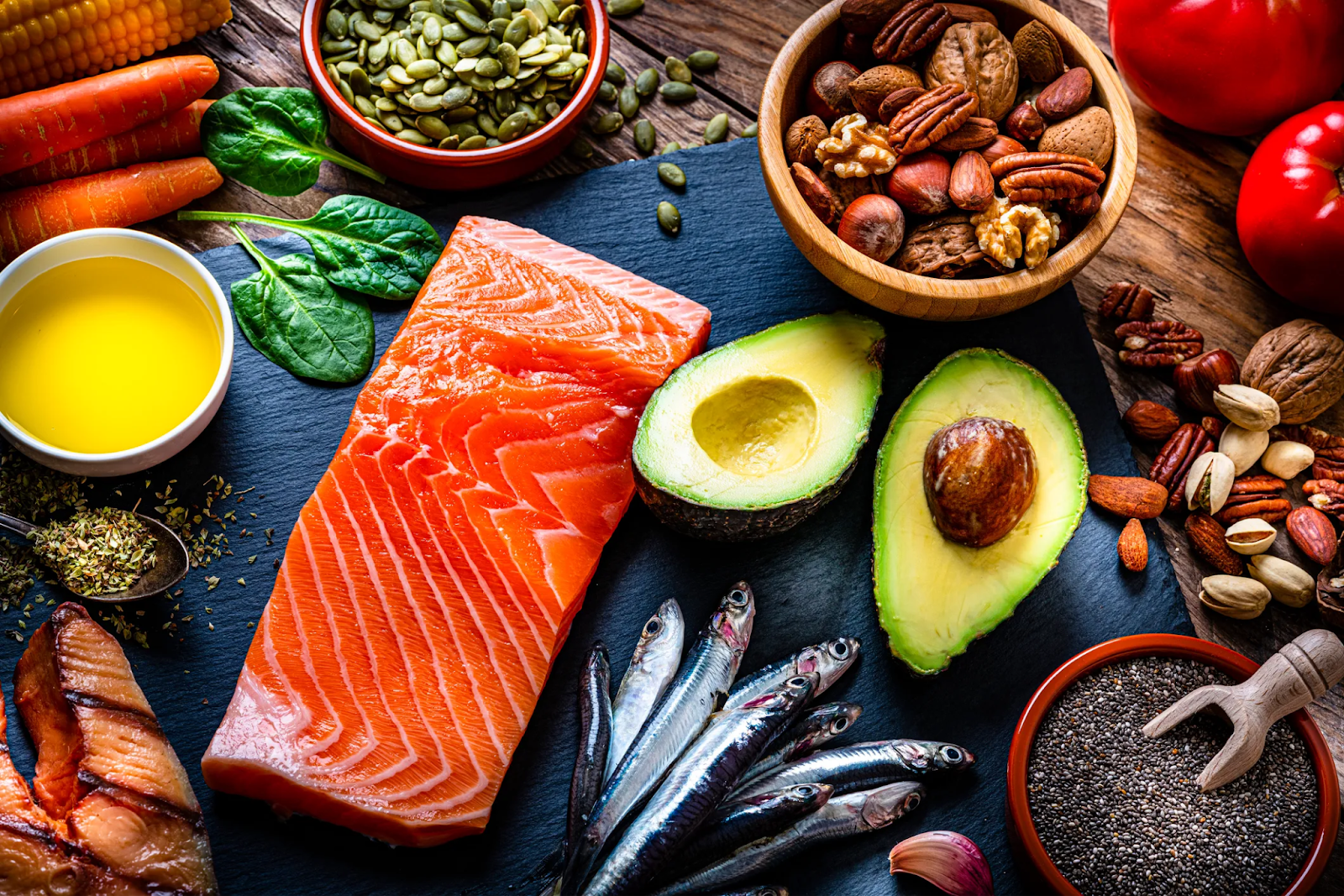
- Extra virgin olive oil (high quality)
- Avocado
- Fatty fish (salmon, sardines)
- Nuts and seeds
- Pasture-raised eggs
- Grass-fed meats
Pairing protein + healthy fat + fiber (like veggies or fruit) is the easiest way to keep blood sugar steady, prevent cravings, and reduce full-body inflammation.
2. Keep alcohol reasonable
Alcohol increases inflammatory cytokines and disrupts sleep. A good rule of thumb is to stop drinking alcohol at least 3-4 hours before bedtime. Alcohol may make you feel sleepy initially, but it disrupts the natural sleep cycle, especially REM sleep, later in the night. Drinking too close to bedtime can lead to fragmented sleep, night waking, and less restorative rest.
3. Stay hydrated
Dehydration drives inflammation and muscle soreness. A good rule of thumb is to drink enough water daily that adds up to at least half of your body weight in ounces. You can also supplement your water with natural electrolytes like lemon and high quality sea salt. You can also look for electrolyte packets without any artificial sweeteners.
4. Prioritize sleep
Just one night of poor sleep increases inflammatory markers. Try to get on a consistent schedule of sleep and wake times in a cool, dark room. Limit screen time before bed or utilize blue blocker glasses. Lastly, try to finish your last meal 2-3 hours before going to bed.
5. Move daily (even brief movement counts)
Short bouts of movement improve blood sugar, stress, and inflammation. Even if you are traveling and don’t have access to your typical gym equipment, you can go for multiple 10-20 minute walks, complete bodyweight circuits or a mobility/stretching routine.
6. Support your nervous system
Stress is one of the biggest drivers of systemic inflammation.
Daily habits that help:
- Slow breathing
- Stretching or mobility

- Getting sunlight, especially first thing in the morning
- Mindfulness or journaling
- Short “movement snacks” during the workday
The Big Picture: Systemic + Local Inflammation Work Together
If systemic inflammation is high, local injuries take longer to heal. If local inflammation lingers, it increases stress signals that affect your whole system. A combined approach, supporting overall health while treating targeted areas, is the fastest route to feeling strong again.
At Conquer Movement, we help you address both so you can stay active, resilient, and pain-free.
In good health,
Dr. Eliza Cohen
Performance Physical Therapist + Wellness Consultant
Wilmington, NC
Follow here for more performance and nutrition tips: @conquermovementpt @doctor_cohen14