
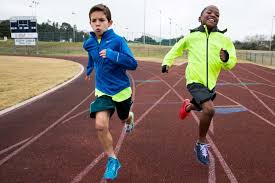
Strength training for young athletes can be a confusing and sometimes controversial topic—especially for parents. Many still worry that lifting weights will stunt growth, cause injuries, or be unsafe for kids and teenagers. At the same time, youth sports are becoming more competitive, more specialized, and more demanding at younger ages.
So what’s the truth?
When done correctly, strength training is not only safe for young athletes—it is one of the most effective tools we have to improve performance, reduce injury risk, and support long-term athletic development.
The Biggest Myths About Youth Strength Training
Let’s start by addressing the most common concerns we hear from parents.
Myth 1: Strength training stunts growth
This is one of the most persistent myths, and it’s simply not supported by evidence. Growth plates are injured by excessive, poorly supervised loading, not by structured, age-appropriate strength training.
In fact, research consistently shows that well-designed strength programs do not negatively affect growth and may actually improve bone health and resilience.
Myth 2: Kids should wait until high school to lift
Waiting too long often means missing a critical window for developing movement skills, coordination, and strength foundations. Strength training doesn’t have to mean barbells and maximal weights—it starts with learning how to control the body.
Early exposure to strength training builds:
- Proper movement mechanics
- Body awareness
- Confidence
- Injury resilience
Myth 3: Playing sports is enough conditioning
While sports build skill and endurance, they often lack structured preparation for strength, deceleration, and load tolerance. Sport alone does not prepare tissues for the repetitive stress placed on growing bodies.
What Strength Training for Youth Actually Looks Like
Strength training for young athletes isn’t about “lifting heavy.” It’s about teaching movement.
Key focuses include:
- Squatting, hinging, pushing, pulling
- Single-leg balance and control
- Landing mechanics
- Core stability and coordination
As athletes mature, load can be progressively added—but the priority is always quality over quantity.
Why Strength Training Reduces Injury Risk
Youth sports injuries are increasingly driven by:
- Overuse
- Poor movement mechanics
- High training volume with low preparation
Strength training helps by:
- Improving joint stability
- Enhancing tendon and ligament load tolerance
- Teaching athletes how to absorb and control force
Many non-contact injuries occur because athletes can’t handle the forces they’re exposed to—especially during growth spurts. Strength training helps bridge that gap.
Bone Health and Long-Term Development
During childhood and adolescence, bones are highly adaptable. According to Wolff’s Law, bone adapts to the stress placed upon it. This means appropriately loaded strength training helps improve:
- Bone density
- Skeletal strength
- Resistance to stress fractures later in life
This is especially important for athletes who may stop competitive sports in adulthood—bone health built early carries long-term benefits.
Strength Training Improves Athletic Performance
Beyond injury prevention, strength training makes young athletes better at their sport.
Benefits include:
- Increased speed and acceleration
- Improved jumping and landing ability
- Better balance and coordination
- Enhanced confidence in movement
Strength doesn’t make kids slow or bulky—it allows them to move more efficiently and explosively.
Why Early Strength Training Builds Better Athletes Later
Athletes who build strength early often:
- Progress faster in high school and college
- Adapt better to higher training loads
- Experience fewer overuse injuries
- Maintain athleticism longer
Those who start late often have to “undo” years of poor movement habits before real performance gains can happen.
The Risks of Poorly Designed Programs
It’s important to note: not all strength training is equal.
Risk increases when:
- Programs are copied from adult workouts
- There’s no coaching or supervision
- Athletes train through pain
- Volume exceeds recovery
This is why guidance from qualified professionals matters—especially when working with growing bodies.
How Performance Physical Therapy Fits In
As performance physical therapists, we sit at the intersection of movement quality, strength, and injury prevention.
At Conquer Movement, we:
- Assess how an athlete moves, not just how strong they are
- Identify asymmetries or poor mechanics early
- Build strength programs appropriate to biological age and sport demands
- Help athletes train safely during growth spurts
We don’t just react to injuries—we help prevent them.
For Parents: What Should You Look For?
If your child is starting or already involved in strength training, look for programs that emphasize:
- Coaching and supervision
- Movement quality over load
- Progressive development
- Communication with parents
Strength training should support sport participation—not replace it or overwhelm the athlete.
The Bottom Line
Strength training isn’t dangerous for young athletes—poor preparation is.
When designed and supervised properly, strength training:
- Reduces injury risk
- Improves performance
- Builds confidence
- Supports long-term health and athletic success
The goal isn’t to create weightlifters—it’s to create resilient, capable movers.
Want to Know If Your Child Is Training the Right Way?
If you’re unsure whether your young athlete is preparing their body appropriately for their sport, we can help.
At Conquer Movement, we offer a free discovery call to determine whether performance physical therapy or guided strength training is right for your child.
📞 Schedule your free discovery call today and start building resilience where it matters most.
Other Blogs that will be Helpful
Dr. Evan Langley DPT, PT, CSCS
Performance Physical Therapist
Conquer Movement - Wilmington, NC