
When we think about hip strength or core stability, most people picture glutes, abs, or hip flexors. But there’s a lesser-known group of muscles quietly doing a ton of work behind the scenes: your adductors.
These muscles are often tight, weak, or overworked (especially in active adults) and they play a major role in both hip function and low back health. If your adductors aren’t doing their job well, your body will find a workaround and those compensations usually show up as pain.
Let’s break down why adductors matter so much and how improving both their length and strength can dramatically reduce pain and enhance performance.
What Are the Adductors?
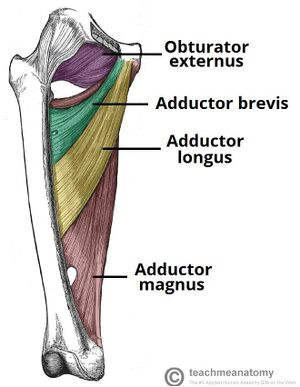
Your adductors are a group of five muscles on the inner thigh that:
- Pull your legs toward the midline
- Help control hip rotation
- Stabilize the pelvis during walking, running, lifting, and jumping
- Assist in flexion and extension depending on hip position
Because they attach at the pelvis, femur, and even influence the lower abdominal region, they act like a bridge between the hips and low back.
How Tight or Weak Adductors Can Create Pain
1. Pelvic Asymmetry & Low Back Irritation
Tight or overactive adductors can pull the pelvis into rotation or anterior tilt. This subtle change forces the lumbar spine to compensate.
End result:
✔Increased low back tension
✔Pinching or stiffness in the SI joint
✔Difficulty bracing or stabilizing under load
2. Poor Hip Stability During Single-Leg Activities
Running, stairs, lunges, and even walking rely heavily on the adductors to stabilize the pelvis.
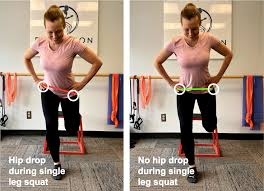
If the adductors are weak:
- The knee may collapse inward
The pelvis drops or rotates - The glutes can't fire efficiently
- The low back takes on more load
This often leads to:
✔ Hip pinching
✔ Front-of-hip tightness
✔ Low back fatigue or soreness after lower-body workouts
3. Reduced Mobility Creating “Pinch Points”
When the adductors are shortened, the hip loses clean movement into:
- Squatting
- Lunging
- Rotating
- Kicking
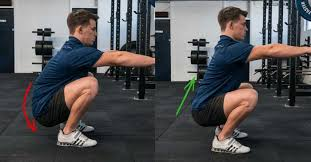
- Getting into the bottom of a deadlift
If the hip can’t move freely,something else will move for it (usually the lumbar spine). That’s where pain starts creeping in.
4. Adductors Help the Core More Than You Realize
The adductor magnus (the largest of the group) works with the:
- Pelvic floor
- Lower abdominals
- Obliques
This means weak adductors = poor core stability, especially during rotation and anti-rotation demands.
If you feel your low back working overtime during planks, squats, or running, your adductors might be the missing piece.
Why Active Adults in Wilmington Especially Need to Care About Adductors
Between beach workouts, running, cycling, CrossFit, and recreational sports, Wilmington’s active community spends a lot of time in patterns that load the adductors repetitively.
Sand running = adductors working overtime
Paddleboarding = adductors stabilizing the hips
Heavy lifting = adductors helping with pelvis control
Long walks = adductors keeping gait efficient
And yet they’re rarely trained intentionally.
Keep reading below for some of our favorite adductor lengthening and strengthening exercises.
Lengthening Exercises
1. Half-Kneeling Adductor Stretch
- One knee down, opposite leg out to the side
- Keep toes in line with your knee
- Squeeze your glute before leaning knee over toe
Great for: opening hips for squats + reducing pelvic tension.
2. Rock Backs
- Start on hands/knees
- Take your knees wider than hips
- Keep a neutral spine
- Sit back slowly into the stretch
Great for: relieving pinchy hips + improving mobility safely.
Strengthening Exercises
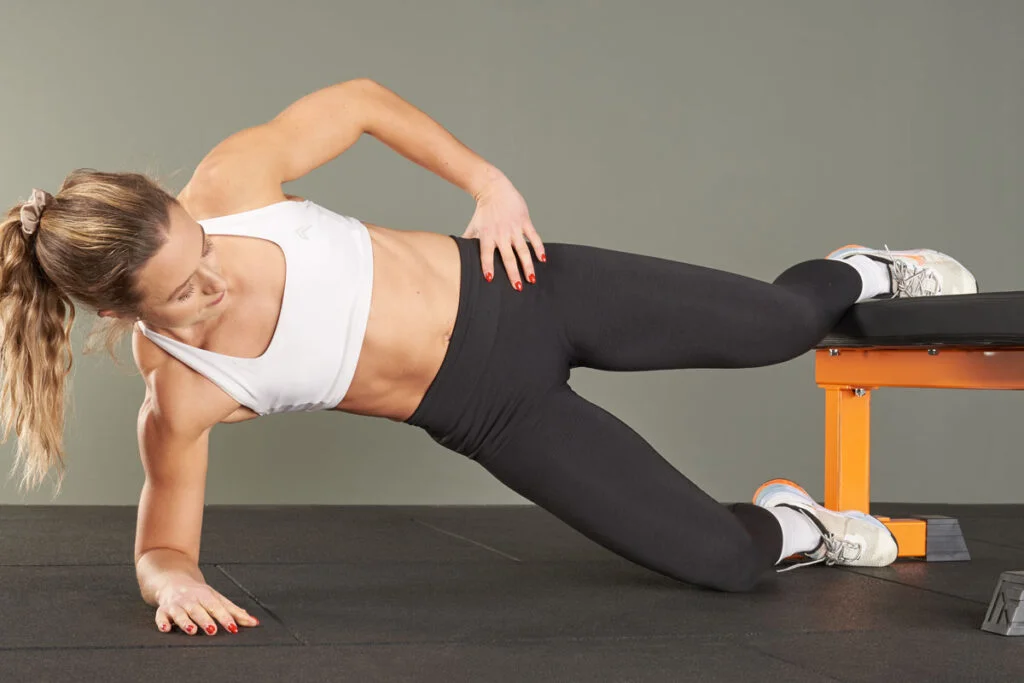
1. Copenhagen Side Plank
- Elbow directly beneath shoulder
- Top leg supported on a bench
- Lift hips
- Add holds or reps
Builds: incredible adductor strength + core stability.
2. Adductor Biased Step Down
- Slightly rotate the opposite hip toward your working leg
- Control the descent for 3–4 seconds maintaining tension into the band
Builds: strength + eccentric control for runners and lifters.
Final Thoughts: The Adductors Might Be Your Missing Link
Improving adductor length without strength leads to instability.Improving strength without addressing tightness leads to compensation. But when you train both? You get smoother hips, a more stable core, better glute activation, and significantly fewer episodes of low back pain.
In good health,
Dr. Eliza Cohen
Performance Physical Therapist + Wellness Consultant
Wilmington, NC
Follow here for more performance and nutrition tips: @conquermovementpt @doctor_cohen14