

Most people warm up before training. The problem is, most warm-ups aren’t actually preparing them for what they’re about to do.
A lot of warm-ups become either:
- Random stretching
- A sweaty cardio session before the workout
- Or a collection of mobility drills pulled from Instagram
None of those are necessarily bad, but if your warm-up doesn’t match the demands of the session ahead, you’re often just burning time and energy without really improving performance or movement quality.
A good warm-up should do two things:
- Prepare your body for the specific stimulus of the day
- Help you access the positions, coordination, and output you’ll need once training starts
That’s it!
The goal isn’t to feel exhausted before the workout even begins. It’s to feel more prepared, more connected, and more capable once the actual training starts.
General Warm-Up vs Targeted Warm-Up
This is where a lot of people miss the mark.
A general warm-up is designed to increase body temperature, get blood flowing, and gradually raise your heart rate. Think:
- Easy bike
- Jogging
- Rowing
- Jump rope
That’s useful, especially if you’re coming in stiff from sitting all day or training early in the morning. But general warm-ups only get you so far.
A targeted warm-up is different. This is where you start preparing for the specific demands of the session.
For example:
- Heavy squats require different preparation than sprint work
- Overhead lifting requires different preparation than deadlifts
- A mobility-focused training day should feel different than a high-output conditioning session
Yet a lot of people use the exact same 15-minute warm-up regardless of what they’re doing that day.
Your warm-up should reflect the stimulus you’re preparing for.
Match the Warm-Up to the Day’s Stimulus
One of the biggest mistakes we see is people doing warm-ups that don’t match the intent of the workout.
If you’re preparing for heavy strength work, the goal is usually:
- Accessing good positions
- Creating stiffness and stability where needed
- Gradually ramping force production
If you’re preparing for sprinting, jumping, or conditioning, you need:
- More elasticity
- Faster nervous system output
- Dynamic movement preparation
These are not the same thing.
Someone getting ready for heavy deadlifts definitely doesn’t need 20 minutes of aggressive stretching beforehand. In fact, holding prolonged stretches > 30 seconds will actually reduce the stiffness and tension needed to produce force well, resulting in decreased performance.
On the other hand, someone trying to sprint or move dynamically while feeling locked up through the hips and thoracic spine may absolutely benefit from targeted mobility work first.
The warm-up should solve the problem standing in front of you while preparing you for the demands ahead.
Nervous System Prep vs Mobility Work
This is another area that gets misunderstood.
Not every limitation is a mobility issue.
Sometimes the body doesn’t need more range of motion, it needs better nervous system output and coordination.
We see this all the time in the clinic. Someone says they feel “tight,” so they immediately start stretching everything. But after assessing them, the issue is often poor control, poor positioning, or an inability to create tension where they need it.
The nervous system plays a massive role in how your body feels and performs. If your system doesn’t feel stable or prepared, muscles will often guard and create the sensation of tightness.
That’s why sometimes:
- A few explosive movements improve mobility instantly
- A positional breathing drill helps more than stretching
- A couple of progressive warm-up sets make movement suddenly feel smoother
The body often opens up once it feels safe and prepared.
Mobility work absolutely has its place, especially if you truly can’t access the positions needed for training. But mobility alone isn’t the answer to every warm-up problem.
Sometimes what people actually need is:
- Better position
- Better coordination
- Better nervous system readiness
A Smarter Warm-Up Structure
Most effective warm-ups tend to follow a simple progression.
Phase 1: Increase Temperature and Awareness
Start general.
The goal is simply to transition the body into movement and increase overall readiness.
Examples:
- Light bike or row
- Jogging
- Carries
- Jump rope
This phase should leave you feeling warmer, not fatigued.
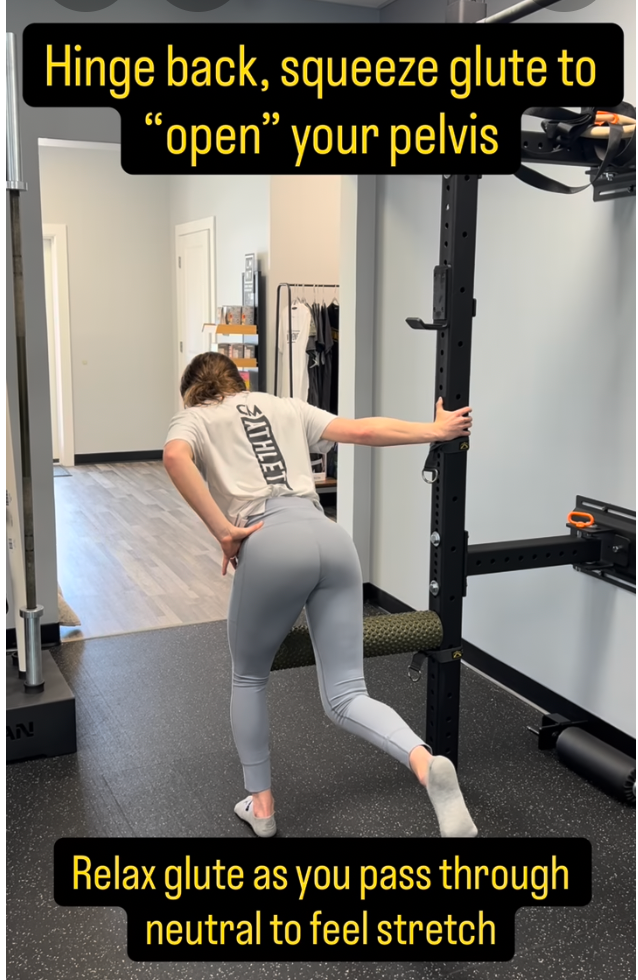
Phase 2: Restore Position and Access
Now address the specific limitations that could interfere with the workout.
This is where targeted mobility, breathing drills, or positional work can help.
Examples:
- Hip mobility before squatting
- Thoracic rotation before overhead work (or any workout, I highly recommend thoracic mobility before any movement, check out this video for one of my favorite thoracic mobility drills)
- Foot and ankle prep before running or jumping
The goal isn’t to chase flexibility. It’s to access the positions you need for the session.
Phase 3: Prime the Nervous System
This is the piece most people skip.
Before asking the body to produce force, move explosively, or lift heavy, you need to gradually increase nervous system output.
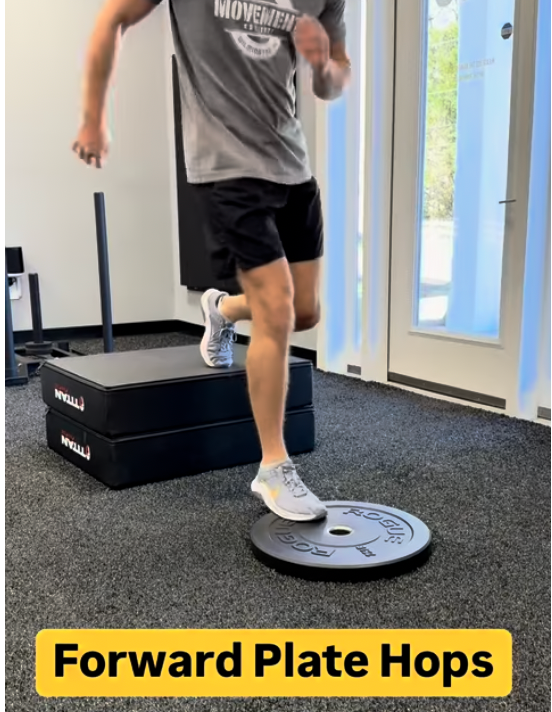
Examples:
- Hops and/or jumps
- Med ball throws
- Light, explosive cleans or pressing
- Short accelerations
- Progressive warm-up sets
This helps bridge the gap between mobility work and actual performance.
By the time your working sets start, your body should already feel coordinated, stable, and ready to produce force.
The Bottom Line
A good warm-up isn’t about doing more exercises, it’s about doing the right things for the training session in front of you.
The best warm-ups are intentional. They help you:
- Access better positions
- Improve movement quality
- Prepare your nervous system
- Transition smoothly into training
When done well, you usually notice the difference immediately. Movements feel cleaner, positions feel easier to access, and your body feels more prepared instead of just tired before the workout even starts.
Struggling to figure out the right warm up? We’re here to help.
In good health,
Dr. Eliza Cohen
Performance Physical Therapist + Wellness Consultant
Wilmington, NC
Follow here for more performance and nutrition tips: @conquermovementpt @thelungedoctor