
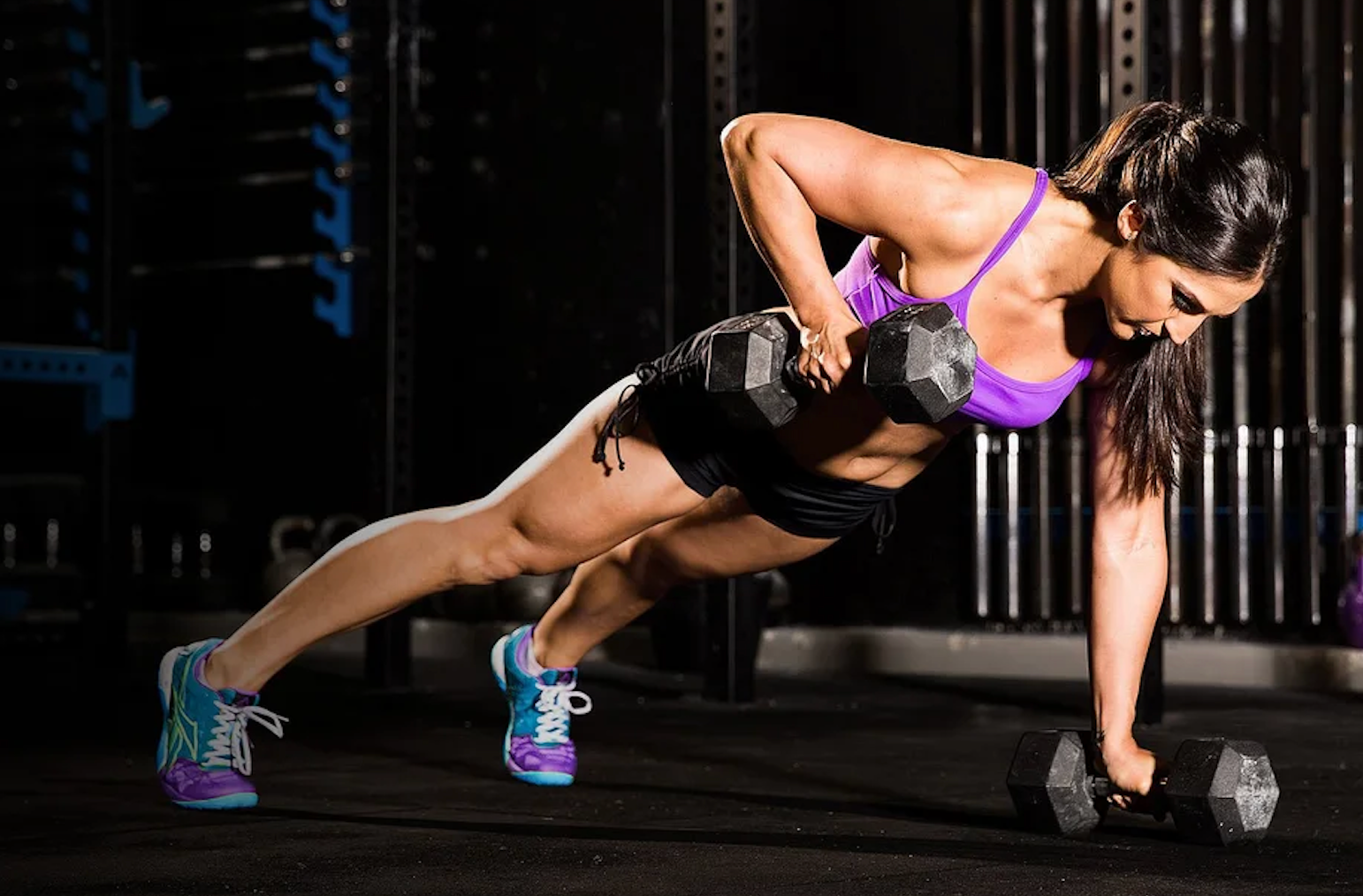
Why training in only straight lines is limiting your performance (and increasing your injury risk)
Most training programs, especially in the CrossFit and strength world, live in straight lines. Squats. Deadlifts. Presses. Pull-ups. Don’t get me wrong, these are all important and necessary to build strength. However, your body doesn’t just move forward and backward.
Whether you’re running, changing direction, stabilizing overhead, or just trying to control a heavy barbell, rotation is always involved in some capacity. And if you’re not training it, you’re leaving a pretty big gap in both performance and injury prevention.
What we actually mean by “rotational strength”
Rotational strength isn’t just twisting for the sake of it.
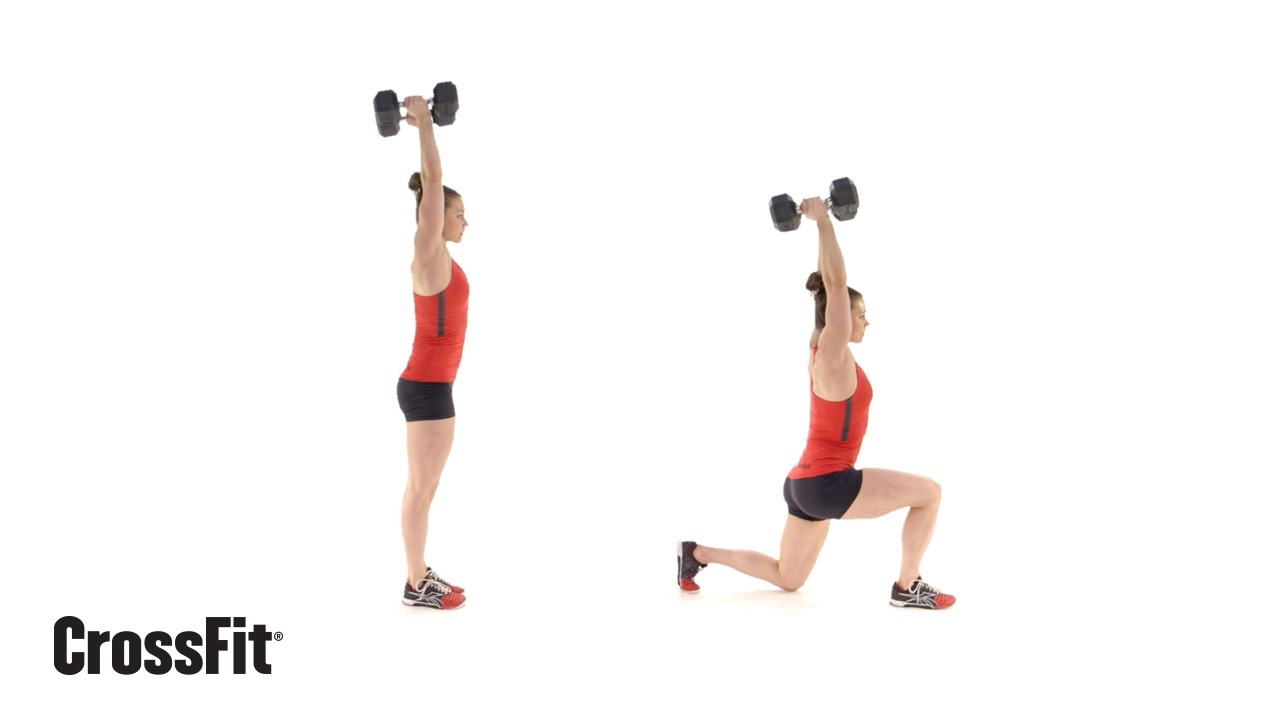
It’s your ability to create, control, and resist rotation through your body.
It’s how well your hips and shoulders communicate.
It’s how efficiently you transfer force.
It’s what keeps you from getting pulled out of position under load.
A lot of people think of rotation as an “extra” or something only athletes in rotational sports need but that’s not the case.
Why this matters (even if you don’t throw or swing anything)
Even if your workouts look mostly linear, your body isn’t operating that way.
Rotation shows up in ways most people don’t realize:
- Running and jumping both involve rotational forces
- Single-leg work introduces rotation whether you want it or not
- Olympic lifts require a high level of rotational control to be efficient
If you don’t have the ability to manage those forces, something else will step in and take over.
That’s where we start to see breakdown that leads to injuries down the road.
A lack of rotational strength or control often shows up as:
- Low back irritation that won’t fully go away
- Hips that feel “pinchy” or inconsistent
- Shoulders that fatigue quickly, especially overhead
It’s usually not that you’re weak overall, it’s that force isn’t being transferred well through your system. For more information about how the body actually moves, check out my blog on anatomical slings!
Where most training programs fall short
Most people are doing a lot of good things.
They’re lifting heavy. They’re consistent. They’re putting in the work.
But the structure of their program is usually missing this piece.
Training tends to be:
- Bilateral (using both legs or arms at the same time)
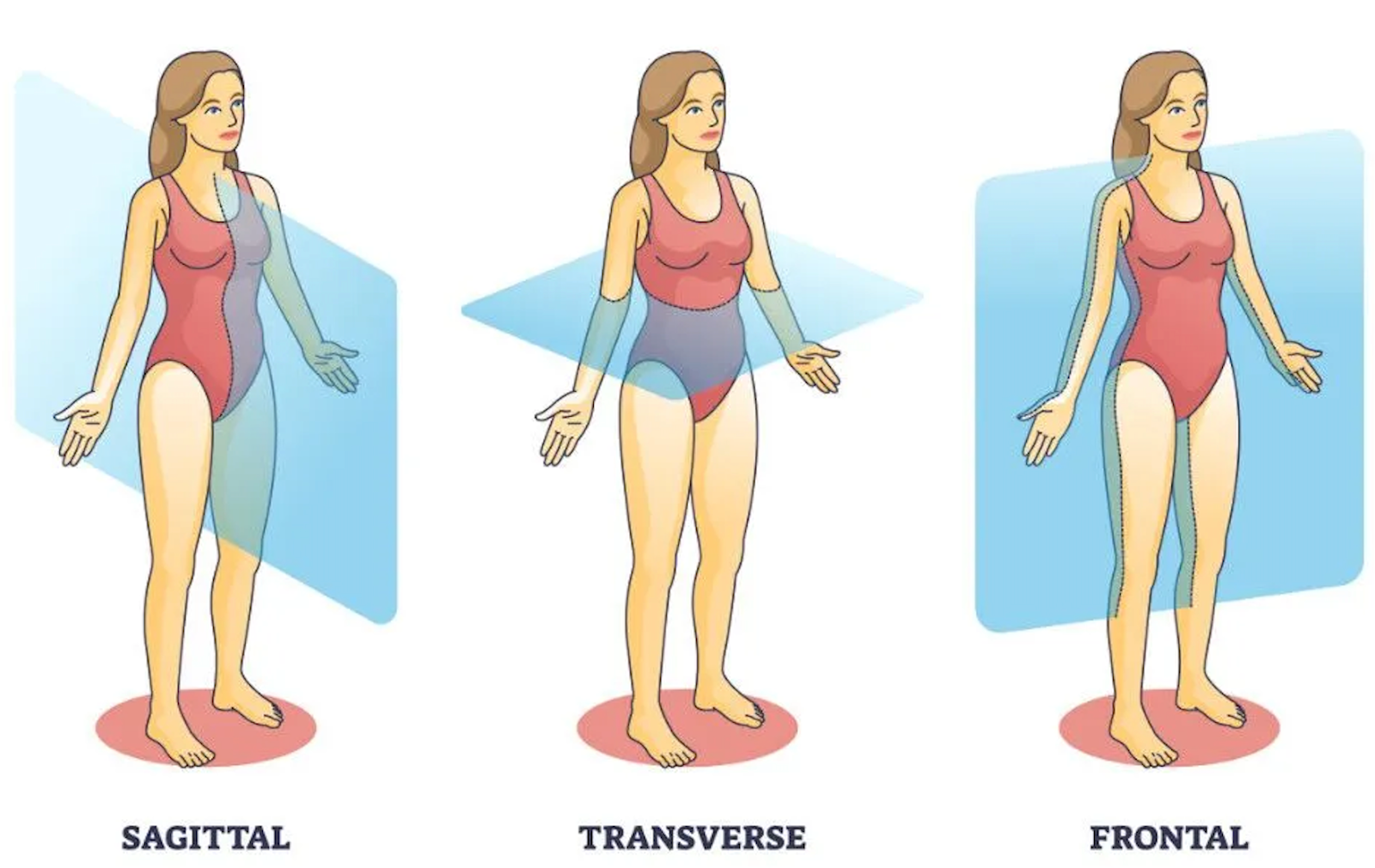
- Sagittal plane dominant (moving forward or backward)
- Focused on producing force, rather than controlling it (this is why we love eccentric work, slow controlled reps)
When rotation is included, it’s often an afterthought. A few Russian twists at the end of a workout that don’t really tie back to anything meaningful, so you end up strong in very specific positions, but less prepared when things get a little more dynamic or unpredictable.
How to actually train rotational strength
This is where most people overcomplicate things.
You don’t need a completely different program. You just need to be more intentional with how you build it in.
It helps to think about rotational strength in layers.
First, you need to be able to resist rotation, at Conquer Movement you’ll see nearly all of our patients working on anti-rotational strength. This is how we build the foundation. If you can’t stay stable when something is trying to move you, adding movement on top of that doesn’t work well.
This can look like:
- Dead bugs or bird dogs done well
- Pallof press variations
- Carries, especially offset or front rack
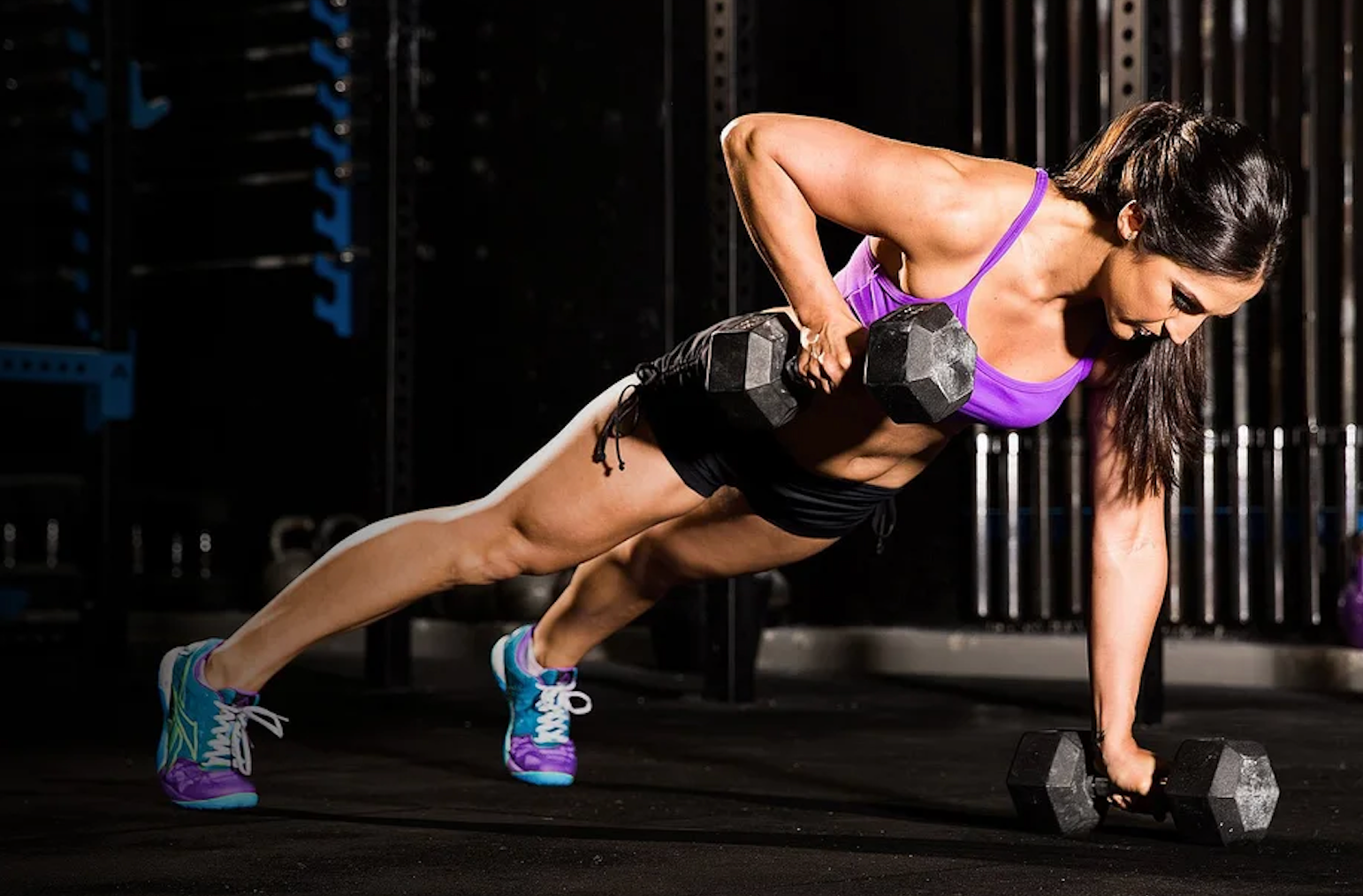
- Or my personal favorite - renegade rows!
Once you have that, you can start to move through controlled rotation. This looks like moving through rotation with intention, not just speed or momentum.
Think:
- Landmine rotations
- Cable or band rotations
- Chops and lifts
- Bulgarian split squat + rotation
From there, you can layer in dynamic rotation.
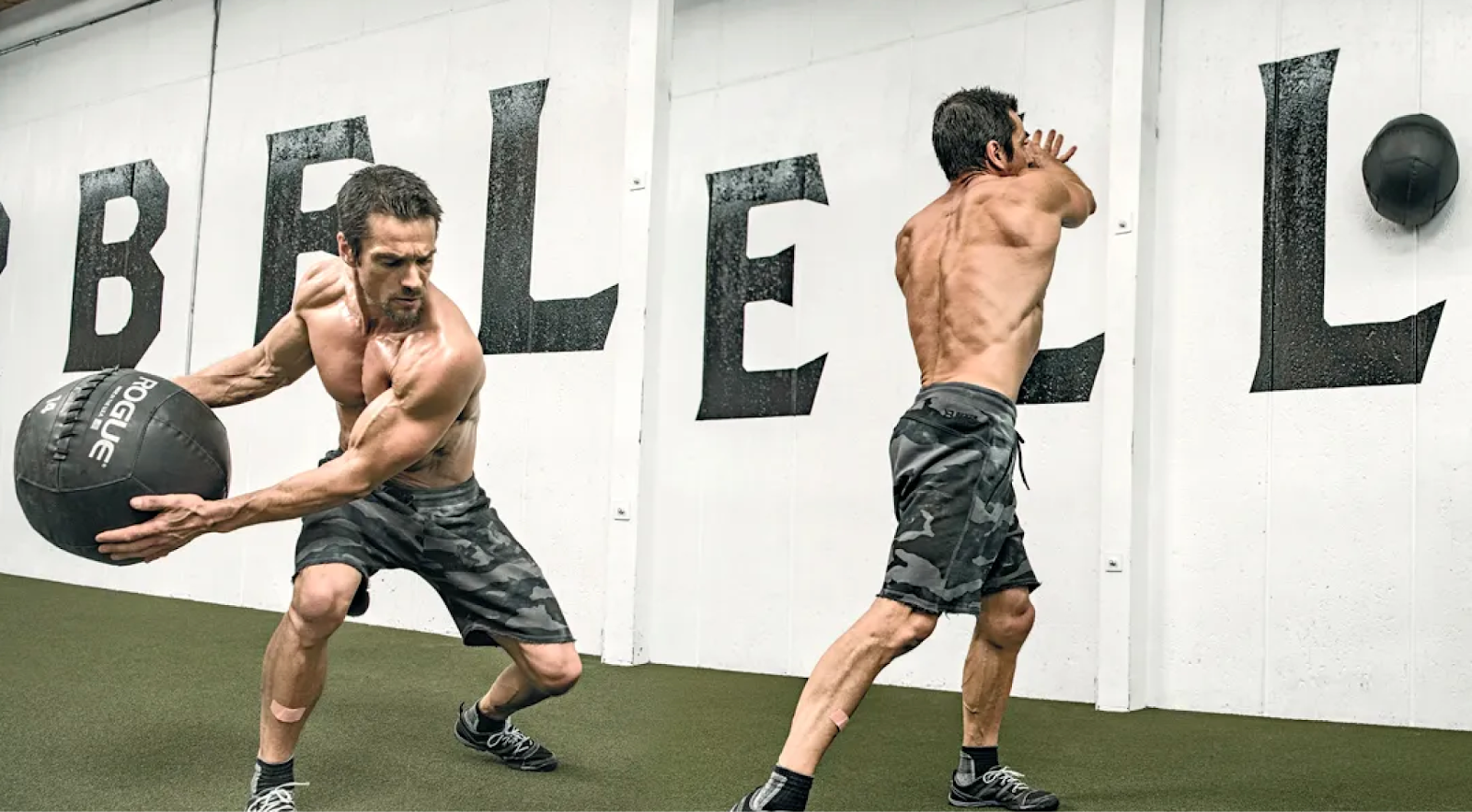
This is where power and athleticism come in. You’re producing and transferring force more explosively.
That might include:
- Med ball rotational throws
- Rotational slams
- Change-of-direction drills
What this looks like in your training
You don’t need to overhaul everything you’re doing.
For most people, adding 1–2 rotational elements into a session is enough to start filling the gap.
It can be as simple as:
- Adding anti-rotation work into your warm-up
- Pairing a rotational drill with your accessory work
- Using med ball work on conditioning days
The goal isn’t to remove your favorite exercises or overhaul your entire program, it’s to be more intentional with what you’re already doing.
The bottom line
If your training only lives in straight lines, you’re missing an important piece.
Rotational strength is what connects everything together. It’s what allows you to transfer force efficiently, stay in good positions, and handle higher levels of intensity without breaking down. When you train it the right way, things tend to feel smoother, stronger, and a lot more sustainable.
If you’re not sure where to start
If you’re dealing with nagging pain, feel like you’re hitting a plateau, or just don’t know how to plug this into your training, that’s exactly what we love to help with.
At Conquer Movement, we are expert guides at bridging the gap between rehab and performance so you can keep training hard without constantly working around something.
If you want help figuring out what your body actually needs, we’ve got you.
In good health,
Dr. Eliza Cohen
Performance Physical Therapist + Wellness Consultant
Wilmington, NC
Follow here for more performance and nutrition tips: @conquermovementpt @doctor_cohen14